
You're standing outside your home or car, key broken in the lock, and you're wondering whether you should attempt a fix yourself or call a professional locksmith. In today's world of YouTube tutorials and online guides, the temptation to tackle lock and key problems on your own has never been stronger. But is DIY always the right choice? The reality is that while some lock-related issues can be handled at home, others require the expertise, tools, and experience that only a professional locksmith can provide. Making the wrong choice could lead to damaged locks, compromised security, or unexpected expenses that far exceed the cost of professional service. This comprehensive guide will help you understand when to grab your toolbox and when to reach for your phone to call Addison IL Locksmith at 33 N Addison Rd, Addison, IL 60101.
Understanding the Appeal of DIY Lock Solutions
The DIY movement has transformed how we approach home repairs and maintenance. With countless online tutorials and readily available tools, many homeowners feel empowered to tackle projects that previous generations would have left to professionals. Lock and key issues seem like natural candidates for DIY solutions—after all, how complicated can a lock really be?
The appeal is understandable. DIY solutions promise immediate action without waiting for a service call, potential cost savings, and the satisfaction of solving a problem yourself. For simple tasks like lubricating a sticky lock or tightening loose screws on door hardware, DIY approaches make perfect sense. These minor maintenance tasks require minimal tools, pose little risk of causing damage, and can be completed in minutes.
However, locks and security systems are more complex than they appear. What looks like a simple mechanism on the surface often involves precision engineering, specific tolerances, and intricate components that can be easily damaged by inexperienced hands. Modern locks, especially those with electronic components or high-security features, require specialized knowledge and tools that go far beyond what's available in the average homeowner's toolbox.
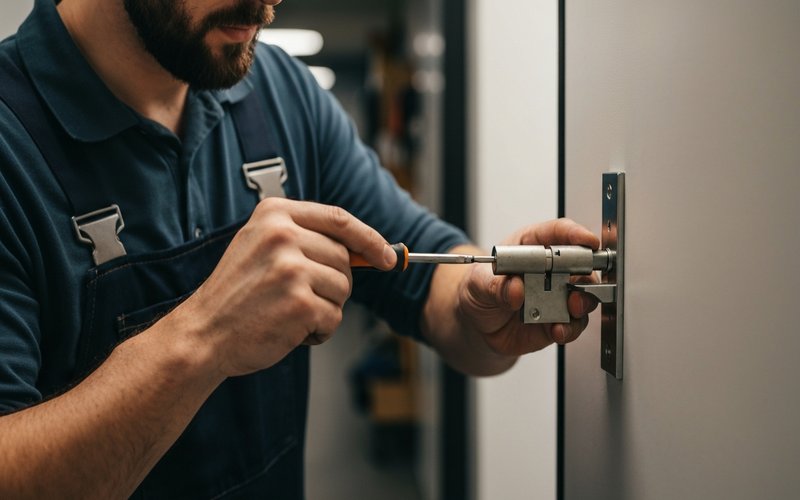
Common Lock Problems That Seem DIY-Friendly (But Often Aren't)
Broken Keys in Locks
A broken key stuck in a lock is one of the most common scenarios that tempts people to try DIY extraction. Online videos make it look simple—just grab some needle-nose pliers or a paper clip and pull it out, right? In reality, improper extraction attempts often push the broken key fragment deeper into the lock cylinder, making professional extraction more difficult and potentially requiring full lock replacement.
Professional locksmiths use specialized extraction tools designed specifically for different types of key breaks and lock mechanisms. They understand the internal workings of various lock types and can extract broken keys without damaging the delicate pins and springs inside the cylinder. What might take you an hour of frustration (and possible lock damage) takes an experienced locksmith just minutes.
Lock Rekeying
Rekeying a lock—changing the internal pins so a different key operates the lock—seems straightforward in theory. You can purchase rekeying kits online, and the instructions don't look too complicated. However, rekeying requires precise pin sizing, proper spring tension, and perfect alignment. One wrong move can render the lock inoperable.
Professional locksmiths can rekey multiple locks to work with a single key, ensuring consistency across your property. They have the experience to identify potential problems with lock cylinders and can recommend whether rekeying or replacement makes more sense for your situation. The cost difference between DIY and professional rekeying is often minimal, especially when you factor in the risk of mistakes.
Smart Lock Installation
Smart locks represent the intersection of physical security and digital technology. While manufacturers market these devices as DIY-friendly, installation often reveals complications. Improper installation can leave gaps in security, cause alignment issues that wear out the lock prematurely, or create electronic problems that compromise functionality.
A professional locksmith brings expertise in both the mechanical and electronic aspects of smart locks. They ensure proper alignment, secure mounting, correct wiring (for hardwired models), and integration with your existing security system. They can also advise on the best smart lock options for your specific door type and security needs.
When DIY Lock Solutions Make Sense
Despite the risks, certain lock-related tasks are genuinely suitable for DIY approaches. Understanding which problems you can safely handle yourself helps you make informed decisions that save time and money without compromising security.
Basic Lock Maintenance
Regular lock maintenance is the perfect DIY task. Lubricating locks with graphite powder or silicone-based lubricants (never oil-based products, which attract dirt) keeps mechanisms operating smoothly. Cleaning visible lock components, tightening loose mounting screws, and checking door alignment are all straightforward tasks that prevent bigger problems down the road.
Perform these maintenance tasks seasonally, especially before winter when cold weather can affect lock performance. Wipe away debris from keyways, ensure weatherstripping isn't interfering with lock operation, and test all keys to ensure smooth operation.
Simple Hardware Replacement
Replacing a standard doorknob or basic deadbolt on a pre-drilled door with properly aligned holes is within most homeowners' capabilities. If you're simply upgrading from one standard lock to another of similar design, and all mounting holes align perfectly, DIY installation can work well.
However, be honest about your skill level. If the door needs new holes drilled, if alignment is off, or if you're installing a high-security lock with specific requirements, professional installation is worth the investment.
Emergency Lockout Prevention
Creating a lockout prevention strategy is entirely DIY. Hide a spare key in a secure lockbox, leave a key with a trusted neighbor, or install a keypad lock that eliminates the need for physical keys. These proactive measures can prevent the need for emergency locksmith services.
The Hidden Costs of DIY Lock Work
When weighing DIY versus professional locksmith services, most people focus solely on the upfront cost difference. However, the true cost calculation must include potential hidden expenses that DIY attempts often generate.
Damaged Locks and Hardware
The most common hidden cost is damage caused by improper DIY work. Forcing a broken key extraction, stripping screws during installation, or misaligning lock components can transform a simple repair into a complete lock replacement. A $50 problem becomes a $200+ problem when you factor in the damaged lock, the new lock you must purchase, and potentially the professional service needed to correct the damage.
Compromised Security
Improper lock installation or repair can create security vulnerabilities that aren't immediately obvious. A lock that appears to work but has internal damage, improper alignment, or weak mounting may fail exactly when you need it most. The cost of a break-in—both financial and emotional—far exceeds any savings from DIY lock work.
Wasted Time and Frustration
Your time has value. Spending hours researching techniques, purchasing tools you'll rarely use again, attempting repairs, correcting mistakes, and ultimately calling a professional anyway represents a significant hidden cost. Professional locksmiths complete in minutes what might take you hours or days.
Tool Investment
Professional locksmith tools are specialized and expensive. Purchasing key extractors, plug followers, pinning kits, and other specialized equipment for a one-time use rarely makes financial sense. Professionals amortize tool costs across thousands of service calls, making their per-job pricing very competitive with DIY once you factor in tool purchases.
The Professional Locksmith Advantage
Professional locksmiths bring far more than just tools and technical knowledge to every job. Understanding these advantages helps clarify when professional service makes the most sense.
Comprehensive Problem Diagnosis
What appears to be a simple lock problem often has underlying causes that only experienced professionals can identify. A lock that's difficult to operate might have internal wear, door settling issues, or frame misalignment. A professional locksmith diagnoses the root cause rather than just addressing symptoms, providing lasting solutions instead of temporary fixes.
Proper Tools and Techniques
Professional locksmiths maintain extensive tool inventories designed for every type of lock and security situation. They have calibrated tools that prevent damage, extraction equipment for every scenario, and diagnostic tools that identify problems invisible to the untrained eye. More importantly, they have the training and experience to use these tools effectively.
Speed and Efficiency
An experienced locksmith completes most jobs in a fraction of the time required for DIY attempts. They've seen every variation of every problem and know the most efficient solution paths. This efficiency means less disruption to your schedule and faster restoration of your security.
Warranty and Accountability
Professional locksmith services come with warranties on both parts and labor. If something goes wrong with a professional installation or repair, the locksmith returns to make it right at no additional charge. DIY work has no such safety net—mistakes are entirely your responsibility and expense.
Security Expertise
Locksmiths stay current with evolving security threats, new lock technologies, and best practices for different security scenarios. They can assess your overall security posture and recommend improvements you might never consider. This consultative aspect of professional service adds value far beyond the immediate repair or installation.
Can a Locksmith Make a New Key from a Lock?
This common question highlights a key advantage of professional locksmith services. Yes, skilled locksmiths can create new keys directly from locks without needing an original key to copy. This process, called "impressioning" or direct code cutting, requires specialized knowledge and equipment.
Professional locksmiths can decode locks by examining the internal pin configuration and cutting keys to match those specifications. For locks with visible key codes, they can cut keys based on manufacturer specifications. This capability is invaluable when you've lost all keys to a lock, moved into a property without receiving all keys, or need to restore operation to locks with unknown key status.
Attempting this process yourself is essentially impossible without professional training and equipment. The precision required—often measured in thousandths of an inch—makes DIY key creation from locks impractical and likely to result in keys that don't work or locks damaged in the attempt.
How to Get a Key for a Lock Without a Key
Beyond the impressioning technique mentioned above, professional locksmiths have several methods for creating keys when none exist. They can disassemble locks to directly measure pin depths, use specialized decoding tools that read lock configurations without disassembly, or look up key codes based on lock manufacturer and serial numbers.
For high-security locks with restricted keyways, locksmiths have access to manufacturer networks that provide key blanks and code information unavailable to the general public. Some lock manufacturers only provide keys through authorized locksmiths, making DIY solutions impossible.
The DIY approach to this situation typically involves picking or forcing the lock—methods that often cause damage and create security vulnerabilities. Professional locksmiths provide keys that work perfectly without compromising the lock's integrity or security features.
Can You Program a Car Key Without the Original Key?
Modern automotive security has become increasingly sophisticated, with keys featuring electronic chips (transponders), rolling code systems, and computer programming requirements. The question of programming car keys without originals highlights the growing complexity of lock and key systems.
Professional locksmiths with automotive specialization can indeed program new car keys without originals for most vehicles. They use specialized programming equipment that interfaces with vehicle computers, accessing security protocols that allow new key registration. This process varies significantly between manufacturers and model years, requiring extensive training and regularly updated equipment.
DIY car key programming is essentially impossible for most modern vehicles. While a few older models allowed owner programming with specific button-press sequences, current vehicles have security measures that prevent unauthorized key programming. Attempting DIY programming typically results in wasted time and potentially triggered security lockouts that require dealer service to resolve.
The cost of professional automotive key programming is often substantially less than dealer pricing, making it an excellent value proposition. Professional locksmiths typically offer mobile service, coming to your location rather than requiring towing to a dealership.
Red Flags: When You Absolutely Need a Professional
Certain situations clearly demand professional locksmith services. Recognizing these red flags prevents costly mistakes and security compromises.
Emergency Lockout Situations
Being locked out of your home, car, or business is stressful enough without attempting DIY solutions that might cause damage. Professional locksmiths provide rapid, damage-free entry using specialized tools and techniques. They restore access without breaking windows, damaging locks, or creating security vulnerabilities that require additional repairs.
High-Security Lock Systems
High-security locks from manufacturers like Medeco, Mul-T-Lock, or ASSA feature patented keyways, hardened components, and complex pin arrangements that require specialized training. Attempting DIY work on these locks almost certainly causes damage and likely voids any warranties.
Commercial Security Needs
Business security carries liability considerations that make DIY approaches risky. Master key systems, access control integration, and compliance with commercial building codes require professional expertise. Insurance policies may also have requirements regarding commercial lock installation and maintenance that only licensed professionals can meet.
Safe Opening and Service
Safes are engineered to resist unauthorized access, making DIY opening attempts when you've lost combinations or keys particularly challenging. Professional locksmiths have the tools and knowledge to open safes without damage and can service internal mechanisms to ensure continued reliable operation.
Lock Failures and Malfunctions
When a lock suddenly stops working properly, the cause could range from simple wear to serious security concerns. Professional diagnosis ensures you're not just treating symptoms while leaving underlying vulnerabilities unaddressed. A malfunctioning lock might indicate attempted break-in damage, internal failures that compromise security, or installation problems that need correction.
Making Your Decision: A Practical Framework
When facing a lock or key problem, use this framework to decide between DIY and professional service:
Choose DIY when:
- The task is basic maintenance (lubrication, cleaning, tightening screws)
- You're replacing standard hardware on properly prepared doors
- The problem involves no time pressure or security concerns
- You have relevant experience and appropriate tools
- The potential cost of mistakes is minimal
- Manufacturer instructions explicitly support DIY installation
- You need immediate access (lockout situations)
- The lock involves high-security features or commercial applications
- You lack confidence in your ability to complete the work correctly
- The problem involves broken keys, damaged locks, or unknown issues
- Security is a primary concern
- You need keys made without originals
- The lock has electronic components or requires programming
- Time is valuable and efficiency matters
The Value of Local Locksmith Expertise
Choosing a professional locksmith means selecting a local service provider who understands your community's specific needs. Local locksmiths like Addison IL Locksmith at 33 N Addison Rd offer advantages that national chains and DIY solutions cannot match.
Local locksmiths build their businesses on reputation within the community. They provide personalized service, faster response times, and accountability that comes from being your neighbor. They understand local building codes, common lock types in area construction, and seasonal issues that affect locks in your climate.
Established local locksmiths invest in ongoing training, modern equipment, and service vehicles stocked with parts for immediate repairs. They offer emergency services when you need help most, typically responding within 30 minutes to urgent calls.
Preventive Measures to Minimize Future Lock Problems
Whether you choose DIY or professional service for your current lock issue, implementing preventive measures reduces future problems and emergency situations.
Schedule annual lock maintenance with a professional locksmith. This service includes lubrication, adjustment, and inspection that identifies wear before failures occur. Regular maintenance extends lock life and ensures reliable operation.
Upgrade aging locks before they fail. Locks have finite lifespans, typically 5-7 years for exterior locks and 10-15 years for interior locks. Proactive replacement prevents inconvenient failures and allows you to take advantage of improved security features in newer lock designs.
Create redundancy in your access systems. Install keypad locks that eliminate lockout possibilities, maintain properly secured spare keys, and ensure household members know emergency procedures. These preventive measures reduce the likelihood of stressful lockout situations.
Document your locks and keys. Keep records of key codes, lock manufacturers, and model numbers. Photograph your locks and hardware. This documentation speeds up service when you need key duplication or replacement parts.
Understanding Professional Locksmith Pricing
Concerns about cost often drive DIY attempts, but understanding professional locksmith pricing reveals surprising value. Professional services